
Introduction
In an era where data has become the most valuable asset of modern enterprises, the ability to transform raw information into actionable insights determines competitive advantage, operational efficiency, and strategic success. Traditional business intelligence tools, while useful, fall short of meeting the demands of today's fast-paced, data-driven business environment where decisions must be made in real-time, predictions must be accurate, and insights must be accessible to users across all organizational levels.
SAP Analytics Cloud 2025 represents a revolutionary approach to enterprise analytics that goes far beyond traditional reporting and dashboards. This comprehensive platform combines advanced analytics, machine learning, collaborative planning, and augmented intelligence to create a unified environment where data scientists, business analysts, and decision-makers can collaborate seamlessly to drive business outcomes through data-driven insights.
Organizations implementing SAP Analytics Cloud report transformational improvements: 60% faster time-to-insight, 45% improvement in forecast accuracy, 50% reduction in planning cycle times, 40% increase in data-driven decision making across the organization, and 35% improvement in business performance through predictive analytics. These outcomes demonstrate the platform's effectiveness in creating truly intelligent, data-driven enterprises that can adapt and thrive in rapidly changing market conditions.
The Analytics Revolution in Enterprise
From Descriptive to Prescriptive Analytics
Traditional analytics approaches focused primarily on descriptive analytics—understanding what happened in the past through reports and dashboards. Modern enterprises require the full spectrum of analytics capabilities: descriptive (what happened), diagnostic (why it happened), predictive (what will happen), and prescriptive (what should we do about it). SAP Analytics Cloud 2025 delivers this complete analytics lifecycle through integrated tools and intelligent automation.
Democratization of Data and Analytics
The transformation from centralized IT-controlled reporting to self-service analytics has fundamentally changed how organizations use data. SAP Analytics Cloud 2025 accelerates this democratization by providing intuitive tools that enable business users to access, analyze, and visualize data without requiring deep technical expertise, while maintaining the governance and security required for enterprise-grade analytics.
Core SAP Analytics Cloud 2025 Capabilities
1. Advanced Data Management and Integration
Comprehensive Data Platform:
- Universal Data Connectivity: Native connections to SAP applications, third-party systems, cloud platforms, and external data sources with real-time and batch integration capabilities
- Intelligent Data Preparation: AI-powered data profiling, cleansing, and transformation that automatically identifies data quality issues and suggests improvements
- Data Modeling and Governance: Sophisticated data modeling capabilities with built-in governance, lineage tracking, and security controls
- Real-Time Data Processing: Stream processing capabilities that enable real-time analytics and immediate response to changing business conditions
- Data Catalog and Discovery: Intelligent data catalog that helps users discover, understand, and access relevant data assets across the enterprise
2. Machine Learning and Artificial Intelligence
Enterprise AI and ML Platform:
- Automated Machine Learning (AutoML): Simplified machine learning that enables business users to create predictive models without data science expertise
- Pre-Built Algorithms: Comprehensive library of machine learning algorithms optimized for common business use cases including forecasting, classification, and anomaly detection
- Predictive Analytics: Advanced forecasting and prediction capabilities that help organizations anticipate trends, risks, and opportunities
- Natural Language Processing: AI-powered natural language interfaces that allow users to ask questions and receive insights in plain English
- Computer Vision Integration: Advanced image and video analytics capabilities for visual data analysis and pattern recognition
3. Collaborative Planning and Forecasting
Integrated Planning Platform:
- Unified Planning Environment: Comprehensive planning capabilities that integrate financial planning, sales forecasting, demand planning, and workforce planning in a single platform
- Collaborative Workflows: Intelligent workflows that enable cross-functional collaboration with automated approval processes and version control
- Scenario Modeling and Simulation: Advanced scenario planning capabilities that enable what-if analysis and risk assessment
- Driver-Based Planning: Sophisticated modeling that links operational drivers to financial outcomes for more accurate and responsive planning
- Real-Time Plan Execution: Integration with operational systems that enables real-time monitoring of plan performance and automatic adjustment recommendations
4. Augmented Analytics and Intelligent Insights
AI-Powered Analytics:
- Smart Discovery: Automated analysis that identifies patterns, correlations, and anomalies in data without requiring user input
- Intelligent Recommendations: AI-powered recommendations for data exploration, visualization choices, and analytical techniques
- Automated Insights Generation: Natural language generation that creates written explanations of data patterns and trends
- Contextual Analytics: AI that understands business context and provides relevant insights based on user role, department, and current objectives
- Anomaly Detection: Advanced algorithms that automatically identify unusual patterns and potential issues in business data
Advanced Analytics Applications and Use Cases
Financial Planning and Analysis
Enterprise Financial Intelligence:
- Integrated Financial Planning: Comprehensive budgeting, forecasting, and financial planning with automated variance analysis and reporting
- Profitability Analytics: Advanced profitability analysis by product, customer, channel, and business unit with driver-based insights
- Cash Flow Forecasting: Predictive cash flow modeling that helps optimize working capital and liquidity management
- Financial Close Acceleration: Automated financial reporting and close processes that reduce cycle times and improve accuracy
- Regulatory Reporting: Automated compliance reporting that ensures accuracy and reduces regulatory risk
Sales and Marketing Analytics
Customer and Revenue Intelligence:
- Sales Performance Management: Comprehensive sales analytics including territory management, quota setting, and performance tracking
- Customer Segmentation and Analytics: Advanced customer analytics that identify high-value segments and predict customer behavior
- Marketing Campaign Optimization: Data-driven marketing analytics that optimize campaign performance and ROI
- Price Optimization: AI-powered pricing analytics that optimize pricing strategies based on demand, competition, and market conditions
- Revenue Forecasting: Predictive revenue modeling that improves forecast accuracy and enables better resource planning
Supply Chain and Operations Analytics
Operational Intelligence and Optimization:
- Demand Planning and Forecasting: Advanced demand sensing that incorporates multiple data sources for accurate demand prediction
- Inventory Optimization: AI-powered inventory analytics that optimize stock levels while minimizing costs and stockouts
- Supplier Performance Analytics: Comprehensive supplier analytics including risk assessment, performance monitoring, and optimization recommendations
- Quality Analytics: Advanced quality analytics that identify root causes of quality issues and predict quality risks
- Operational Efficiency Analytics: Real-time operational analytics that identify bottlenecks and optimization opportunities
Human Resources Analytics
Workforce Intelligence and Planning:
- Workforce Planning and Analytics: Comprehensive workforce analytics including skills gap analysis, succession planning, and capacity optimization
- Employee Engagement Analytics: Advanced analytics that measure and predict employee engagement and retention
- Performance Management Analytics: Data-driven performance analytics that identify high performers and improvement opportunities
- Compensation Analytics: Sophisticated compensation analytics that ensure competitive and equitable compensation strategies
- Learning and Development Analytics: Analytics that measure training effectiveness and identify skill development needs
Advanced Visualization and User Experience
Next-Generation Data Visualization
Intelligent Visualization Platform:
- Adaptive Dashboards: Intelligent dashboards that automatically adjust based on user role, preferences, and current business context
- Interactive Analytics: Advanced interactivity that enables drill-down, cross-filtering, and dynamic exploration of data
- Mobile-First Design: Responsive design that provides full analytics capabilities on mobile devices with touch-optimized interactions
- Collaborative Visualization: Shared workspaces that enable teams to collaborate on analysis and share insights across the organization
- Embedded Analytics: APIs and embedding capabilities that integrate analytics directly into business applications and workflows
Augmented Reality and Immersive Analytics
Next-Generation Analytics Experiences:
- AR Data Visualization: Augmented reality capabilities that overlay analytics insights onto real-world environments
- 3D Data Exploration: Three-dimensional visualization capabilities that enable new ways of exploring complex datasets
- Virtual Reality Analytics: Immersive analytics experiences that enable deep exploration of data in virtual environments
- Voice-Activated Analytics: Natural language interfaces that enable hands-free data exploration and insight discovery
- Gesture-Based Interaction: Touch and gesture-based interfaces that provide intuitive data manipulation and exploration
Integration and Enterprise Architecture
Comprehensive Integration Framework
Enterprise Data and Analytics Architecture:
- SAP System Integration: Native integration with SAP S/4HANA, SuccessFactors, Ariba, Concur, and other SAP applications
- Third-Party Connectivity: Pre-built connectors for popular enterprise applications including Salesforce, Microsoft, Oracle, and cloud platforms
- API-First Architecture: Comprehensive APIs that enable custom integrations and embedding analytics into any application
- Real-Time Data Streaming: Event-driven architecture that enables real-time analytics and immediate response to business events
- Hybrid and Multi-Cloud Support: Flexible deployment options that support on-premise, cloud, and hybrid architectures
Data Governance and Security
Enterprise Data Governance Framework:
- Role-Based Security: Comprehensive security model that ensures users only access appropriate data based on their role and responsibilities
- Data Lineage and Audit: Complete data lineage tracking that provides transparency into data sources, transformations, and usage
- Privacy and Compliance: Built-in privacy controls and compliance features that support GDPR, CCPA, and other data protection regulations
- Data Quality Management: Automated data quality monitoring and improvement with alerts and remediation workflows
- Backup and Recovery: Comprehensive backup and disaster recovery capabilities that ensure business continuity and data protection
Implementation Strategies and Best Practices
Strategic Analytics Planning
Comprehensive Implementation Framework:
- Analytics Maturity Assessment: Evaluation of current analytics capabilities and identification of improvement opportunities
- Use Case Prioritization: Systematic identification and prioritization of analytics use cases based on business impact and feasibility
- Data Strategy Development: Comprehensive data strategy that aligns with business objectives and supports analytics requirements
- Technology Architecture Design: Development of scalable analytics architecture that integrates with existing systems and supports future growth
- Change Management and Adoption: Comprehensive change management strategy that ensures user adoption and maximizes business value
Technical Implementation Best Practices
Technology Implementation Guidelines:
- Agile Implementation Approach: Iterative implementation that delivers value quickly and incorporates user feedback
- Data Quality Focus: Emphasis on data quality and governance from the beginning to ensure reliable and trusted analytics
- Performance Optimization: Careful attention to performance optimization to ensure fast query response times and good user experience
- Scalability Planning: Architecture design that can scale to support growing data volumes and user populations
- Security by Design: Integration of security considerations throughout the implementation process
User Adoption and Training
Analytics Adoption Strategy:
- User-Centric Design: Focus on user experience and intuitive design that reduces training requirements and increases adoption
- Comprehensive Training Programs: Structured training programs that build analytics skills across the organization
- Center of Excellence: Establishment of analytics center of excellence that provides expertise, best practices, and support
- Community Building: Development of user communities that share knowledge, best practices, and lessons learned
- Continuous Improvement: Ongoing measurement and improvement of analytics capabilities based on user feedback and business needs
Measuring Analytics Success and ROI
Key Performance Indicators for Analytics
Comprehensive Analytics Metrics:
Usage and Adoption Metrics:
- Number of active users and frequency of platform usage
- Self-service analytics adoption rates across business units
- Time-to-insight and decision-making acceleration
- User satisfaction and experience ratings
- Training completion and analytics skill development
Business Impact Measurements:
- Improvement in forecast accuracy and planning effectiveness
- Reduction in time spent on manual reporting and analysis
- Increase in data-driven decision making across the organization
- Revenue impact from analytics-driven initiatives and optimizations
- Cost savings from operational efficiency improvements
Technical Performance Indicators:
- System performance and query response times
- Data quality and accuracy improvements
- Integration success and data availability
- Security and compliance adherence
- Platform reliability and uptime
Return on Investment Analysis
Analytics ROI Framework:
- Cost-Benefit Analysis: Comprehensive analysis of analytics implementation costs versus business benefits and value creation
- Productivity Improvements: Measurement of productivity gains from automation and self-service analytics capabilities
- Decision Quality Enhancement: Assessment of improved decision quality and reduced decision-making time
- Competitive Advantage: Evaluation of competitive advantages gained through superior analytics capabilities
- Innovation Enablement: Measurement of new insights and opportunities discovered through advanced analytics
Future of Enterprise Analytics
Emerging Analytics Technologies
Next-Generation Analytics Capabilities:
- Quantum Computing Analytics: Quantum algorithms for complex optimization and pattern recognition problems
- Edge Analytics: Real-time analytics processing at the edge for IoT and mobile applications
- Federated Learning: Privacy-preserving machine learning that enables collaboration without sharing sensitive data
- Causal AI: Advanced AI that understands cause-and-effect relationships rather than just correlations
- Autonomous Analytics: Self-managing analytics systems that can automatically optimize performance and discover insights
Industry Transformation Trends
Future Analytics Applications:
- Real-Time Decision Automation: Analytics-driven systems that make autonomous decisions in real-time
- Personalized Analytics: Customized analytics experiences that adapt to individual user preferences and needs
- Predictive Maintenance: Advanced analytics that predict equipment failures and optimize maintenance schedules
- Dynamic Pricing: Real-time pricing optimization based on demand, competition, and market conditions
- Sustainability Analytics: Comprehensive environmental and social impact analytics that support sustainability initiatives
Professional Development in Analytics
Essential Analytics Skills
Technical Competencies:
- Data Analysis and Statistics: Strong foundation in statistical analysis, hypothesis testing, and data interpretation
- Machine Learning and AI: Understanding of machine learning algorithms, model development, and AI applications
- Data Visualization: Skills in creating effective visualizations and communicating insights through data
- Programming and Tools: Proficiency in analytics tools, programming languages, and database technologies
- Business Intelligence: Experience with BI platforms, reporting, and dashboard development
Business and Strategic Skills:
- Business Acumen: Deep understanding of business processes, key performance indicators, and value drivers
- Strategic Thinking: Ability to translate business objectives into analytics requirements and solutions
- Communication Skills: Expertise in communicating complex analytics concepts to business stakeholders
- Change Management: Skills in driving organizational adoption of analytics and data-driven decision making
- Project Management: Experience managing complex analytics implementations and cross-functional teams
Certification and Career Pathways
Professional Development Opportunities:
- SAP Analytics Cloud Certification: Specialized credentials for platform implementation and administration
- Data Science Certifications: Advanced certifications in machine learning, statistics, and data science methodologies
- Business Intelligence Certifications: Credentials in BI platforms, data modeling, and analytics architecture
- Industry Specializations: Specialized knowledge in specific industries such as finance, manufacturing, or healthcare
Conclusion
SAP Analytics Cloud 2025 represents the future of enterprise analytics—a comprehensive platform that transforms data into competitive advantage through intelligent automation, collaborative planning, and augmented insights. By combining advanced analytics, machine learning, and intuitive user experiences, the platform enables organizations to become truly data-driven enterprises that can adapt and thrive in rapidly changing business environments.
Success with SAP Analytics Cloud requires strategic vision, systematic implementation, and commitment to building a data-driven culture throughout the organization. Organizations that embrace comprehensive analytics strategies will not only improve their decision-making capabilities but will also discover new opportunities for innovation, efficiency, and growth that were previously invisible.
The future belongs to organizations that can harness the power of data to drive strategic decisions, optimize operations, and create exceptional customer experiences. SAP Analytics Cloud 2025 provides the foundation for this data-driven transformation, enabling businesses to unlock the full potential of their data assets and analytics investments.
Ready to transform your organization through analytics? Connect with our analytics specialists to design a comprehensive strategy that turns your data into competitive advantage and drives measurable business outcomes.
Accelerate your analytics journey with our comprehensive analytics certification programs and join the community of professionals leading the data-driven transformation.

Akshay Kumar
SAP Expert and Training Specialist with 6+ years of experience. Helped 500+ professionals advance their SAP careers.
Related Tutorials & Articles
Continue learning with more insights from ERP Academy experts.

AI-Powered SAP S/4HANA: Unlocking Intelligent Enterprise
Discover how AI is integrated into SAP S/4HANA to drive smarter processes.
Read Guide
SAP FICO Career Roadmap 2025–2026: A Mentor's Step-by-Step Guide for Commerce & Finance Professionals in India
Confused between traditional accounting and SAP FICO? Read an honest, mentor-backed 90-day roadmap covering syllabus, real S/4HANA T-Codes, realistic salaries in India, and how to crack consultant interviews without getting trapped by fake promises.
Read Guide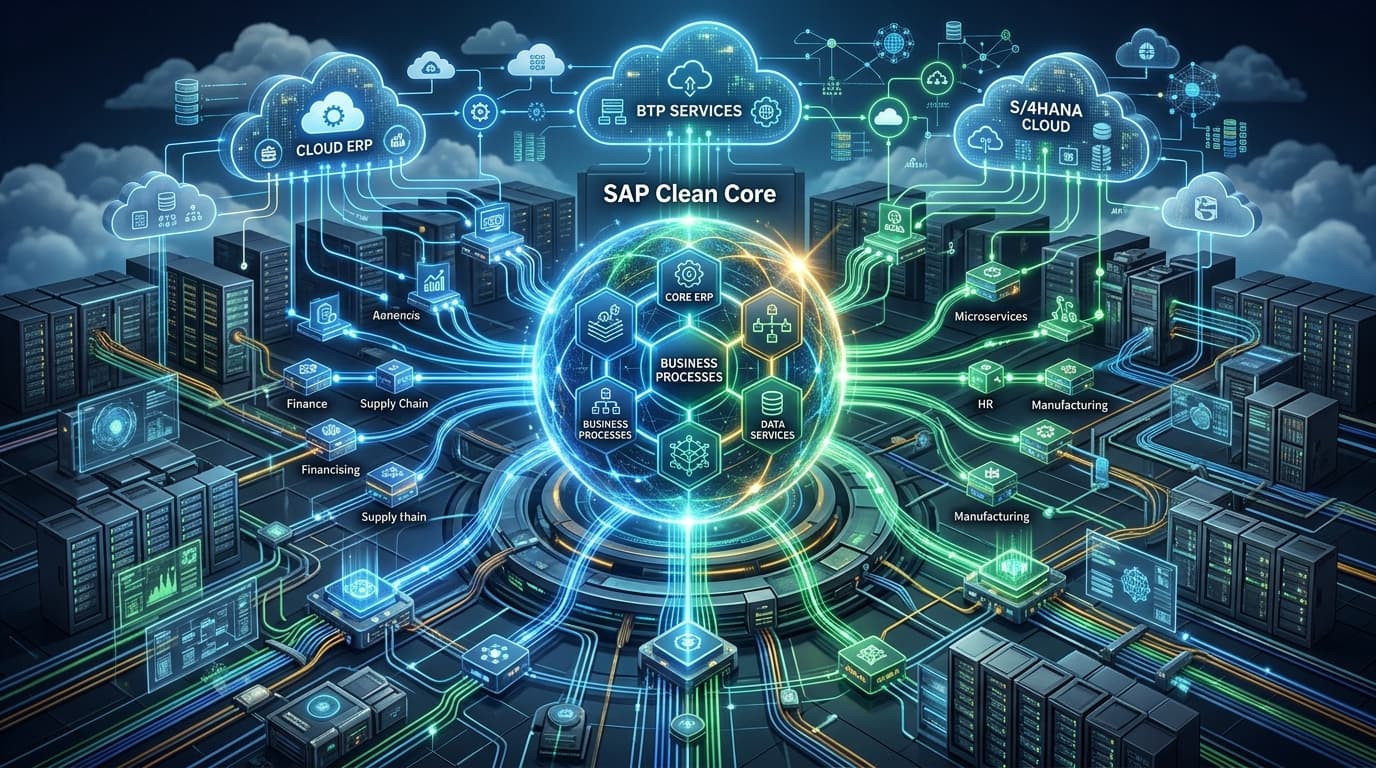
Why SAP Clean Core Is Making or Breaking S/4HANA Migrations (And What Developers Need to Know)
Tired of hearing 'Keep the Core Clean' buzzwords? Here is an architect's practical guide to what SAP Clean Core actually means, why legacy Z-programs choke upgrades, ABAP Cloud vs Classic ABAP, and how to build cloud-ready extensions on BTP.
Read Guide